When people hear the words mine action, they often imagine brave teams clearing mines and unexploded ordnance from the ground. They picture communities returning safely to their villages, farmers reclaiming their fields, and children finally playing in safety.
All of that is true. But there is another side of mine action that is rarely discussed — the human cost carried by the very staff who dedicate years of their lives to this work.
Years of Service, Suddenly Interrupted
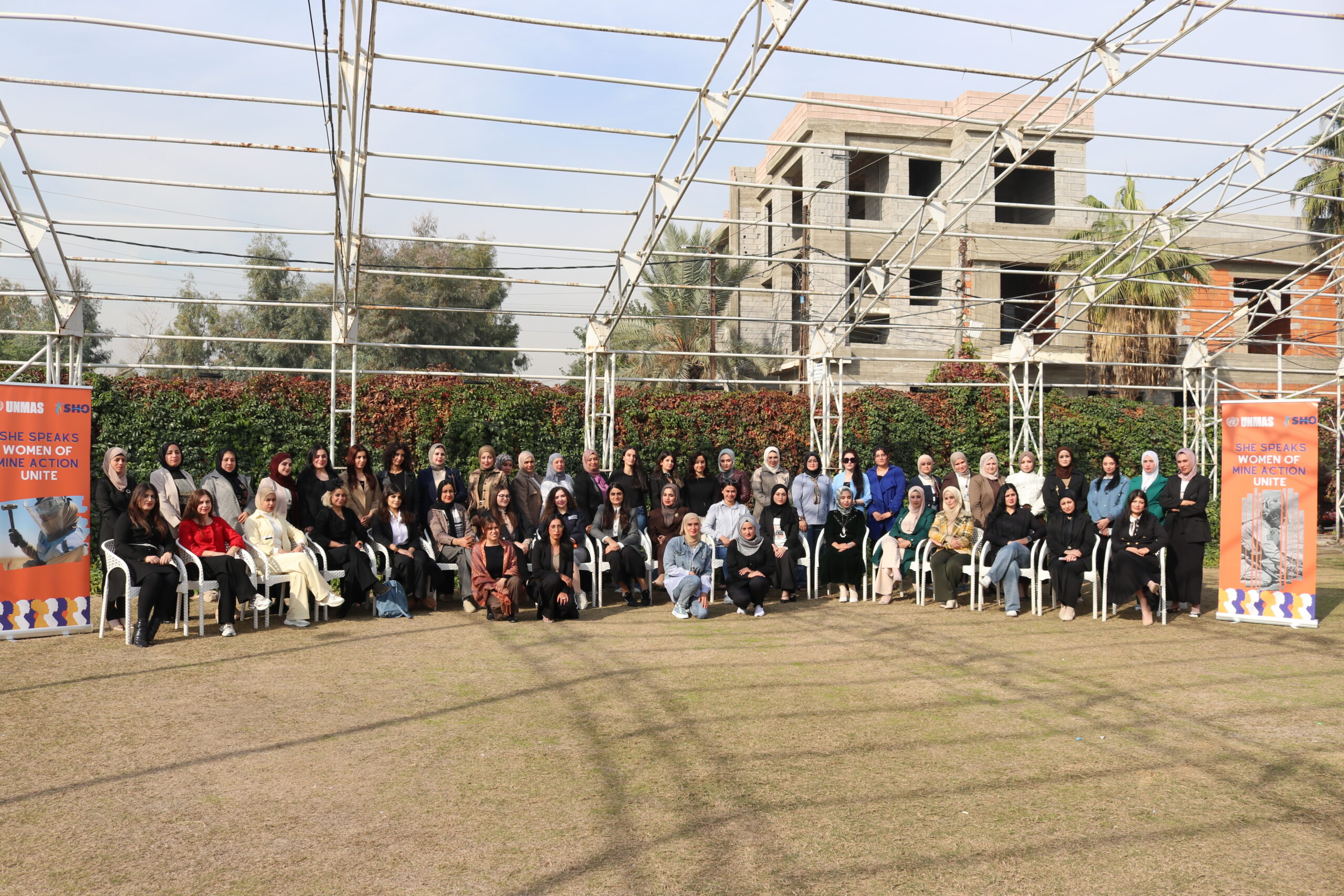
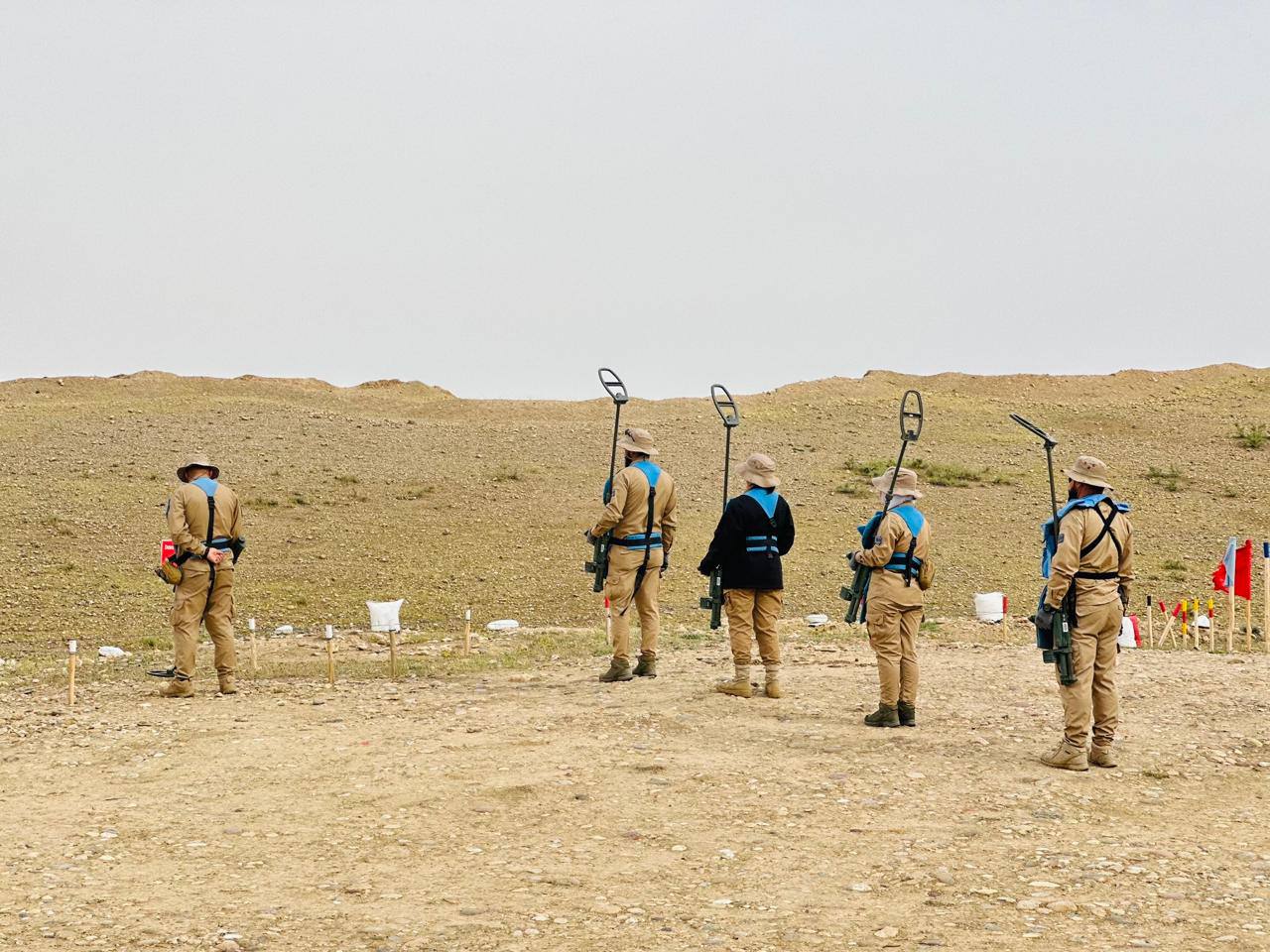
In Iraq, as in many other countries affected by mines and explosive remnants of war, thousands of men and women have built their entire careers in mine action. Deminers, medics, mechanical operators, risk educators, and information managers — people who invest 10, 15, even 20 years of their lives in this sector.
They acquire unique, highly specialized skills: identifying and neutralizing explosive devices, interpreting hazardous terrain, teaching communities how to stay safe. Yet these skills are not easily transferable outside of mine action.
Compounding this, most staff contracts are tied to specific donor-funded projects. This means that, unlike many professions where job security is tied to performance, mine action staff rarely know if they will still have a job next year — regardless of how well they perform or how vital their work is.
So when funding shifts or when international attention turns to a new crisis, these dedicated professionals suddenly find themselves without a job, without security, and without recognition for the risks they have taken every single day.
The Funding Rollercoaster
Mine action is deeply dependent on donor priorities. Budgets expand and shrink based on geopolitical interests, emerging global crises, or shifting humanitarian strategies.
For staff — the backbone of the sector — this creates a constant state of uncertainty. When funding is strong, operations expand. When funds drop, hundreds can be left unemployed overnight.
For international experts, this often means relocating to another mission. But for national staff, the reality is far harsher: they remain in the same contaminated communities they once worked to make safe, now facing unemployment, instability, and limited alternative career options.
The Forgotten Risk
Mine action staff accept risks most professions cannot imagine. They work under the heat of the sun in contaminated fields, handle explosives daily, and carry the psychological burden of knowing that one mistake could cost lives.
Yet when projects end, many are left with nothing — no pension, no long-term recognition, and no safety net — despite dedicating the prime years of their lives to protecting others.
A Global Challenge, Not Just Iraq
This is not just an Iraqi story. From Cambodia to Afghanistan, from Syria to Angola, national mine action staff face the same reality:
They carry the greatest risk.
They build the deepest knowledge of their communities and land.
And they are the first to be left behind when funds dry up.
Each time this happens, the sector loses invaluable experience and capacity. Rebuilding trust, technical expertise, and operational momentum takes years.
Why This Matters
The global mine action community often says: “Mine action saves lives and enables development.”
That is true. But supporting the people behind mine action is part of saving lives too.
If we fail to invest in staff retention, fair contracts, and long-term stability, we risk losing the very foundation on which effective mine action is built.
This must include planning for re-skilling and career transition — giving experienced staff alternative pathways when the project cycle ends, rather than leaving them with skills that cannot support them beyond the sector.
A Call to Action
As Iraq and many other contaminated countries continue their long journey toward recovery, one message should be clear: funding mine action is not only about clearing land — it is about protecting and valuing the people who dedicate their lives to this mission.
They deserve more than a photograph in an annual report.
They deserve secure futures, meaningful support, and recognition that does not disappear when budgets shift.
About the Author
Hasanen Ghaleb is a humanitarian project manager with extensive experience leading Mine Action programmes in Iraq. Over the years, he has managed large-scale clearance, EORE, and mechanical support operations across Iraq, most heavily affected areas, including Makhmour, Tel-Afar, Sinjar, Tal-Kaif, and Mosul. His work focuses on strengthening national capacity, ensuring compliance with IMAS/NMAS standards, coordinating with UNMAS, DMA, and international partners, and overseeing end-to-end project delivery—from planning and budgeting to reporting and stakeholder engagement.
Hasanen’s professional background spans operational management, organizational development, donor relations, and the localization of humanitarian mine action. He is committed to advancing safe, accountable, and community-focused Mine Action that enables displaced families to return home and rebuild their lives.